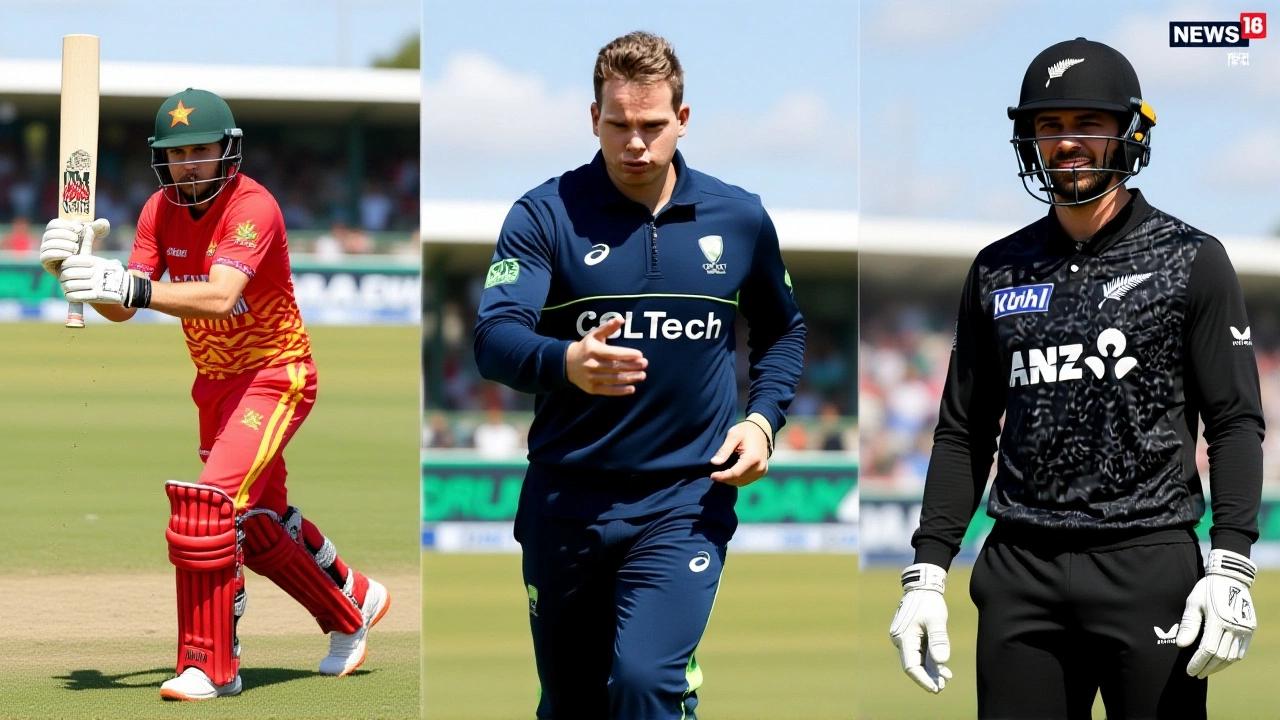
When International Cricket Council unveiled the Team of the Tournament for the 2026 Men's T20 World Cup, one thing was undeniable: India didn't just win; they owned the stage. The announcement confirmed that four Indian players made the cut in the Best XI, a testament to their dominance after defeating New Zealand in the final at the Narendra Modi Stadium in Ahmedabad.
The tournament, hosted jointly by India and Sri Lanka from February 7 to March 8, 2026, was a spectacle of high-octane cricket. But while the trophy went home to Mumbai, the individual accolades painted a broader picture of global talent. Here’s the breakdown of who stood out, why it matters, and what this means for the future of T20 cricket.
The Indian Quartet That Shone Brightest
It’s rare for a single nation to claim four spots in the ICC’s elite XI, but India pulled it off with style. The selections weren’t just about winning matches; they were about consistent, match-winning performances under pressure.
Sanju Samson, wicketkeeper-batter for India, took the gloves. His ability to rotate strike and accelerate when needed was crucial. Then there’s Ishan Kishan, opener for India, whose aggressive starts set the tone for many victories. All-rounder Hardik Pandya, captain for India, provided that vital middle-order punch and handy overs. And leading the attack was Jasprit Bumrah, fast bowler for India, who was simply unplayable in key moments.
"These four weren’t just participants," noted one analyst. "They were the architects of India’s third T20 World Cup title."
Global Standouts: Farhan, Markram, and Others
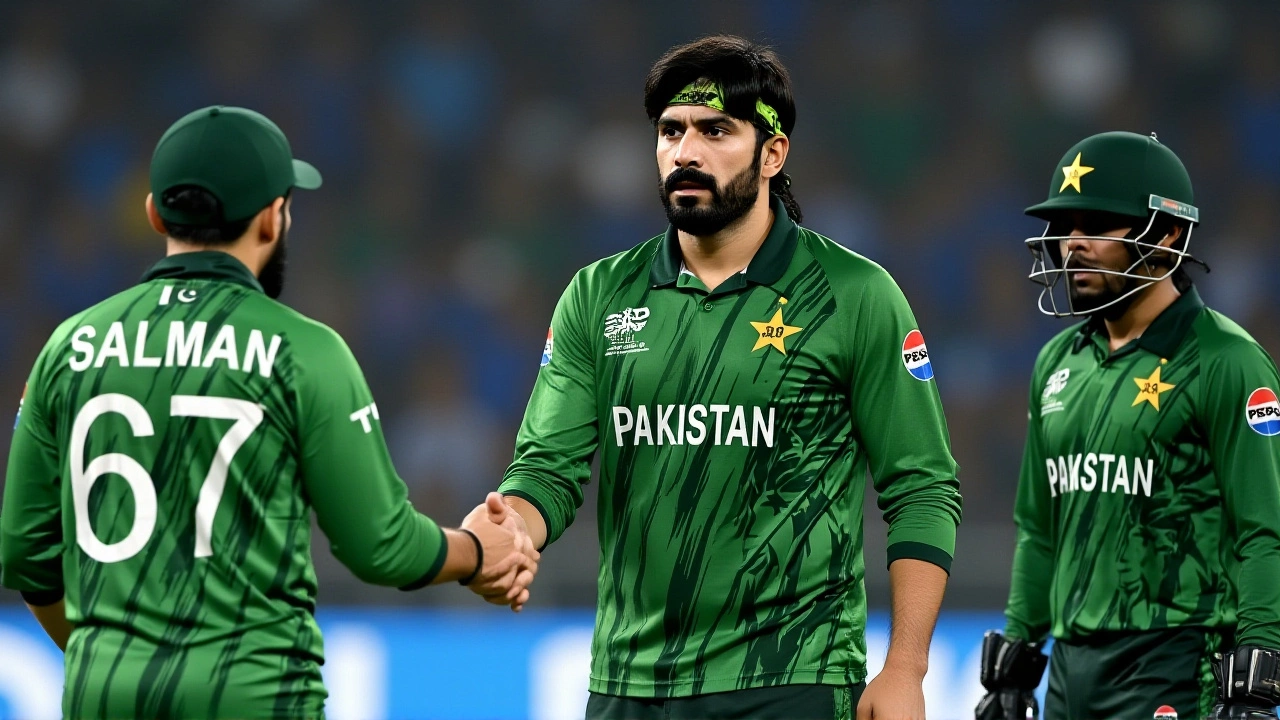
While India dominated the headlines, other nations produced standout performers. Pakistan’s Sahibzada Farhan, batter for Pakistan, was the tournament’s highest run-scorer. In just six innings across seven matches, he amassed 383 runs at a staggering strike rate of 160.25, including two centuries. His inclusion as an opener in the Best XI is no surprise.
South Africa’s Aiden Markram, captain for South Africa, led the combined team with tactical acumen. England contributed two players: Will Jacks, all-rounder for England, and leg-spinner Adil Rashid, bowler for England. West Indies’ Jason Holder, all-rounder for West Indies, brought experience, while Zimbabwe’s Blessing Muzarabani, fast bowler for Zimbabwe, proved that pace can trouble even the best batters. South Africa’s Lungi Ngidi, fast bowler for South Africa, rounded out the bowling attack.
Interestingly, South Africa’s Shadley van Schalkwyk was named the 12th man, recognizing his impactful cameo appearances.
Behind the Numbers: Stats That Define the Tournament
Data doesn’t lie. Sahibzada Farhan’s 383 runs included 37 fours and 18 sixes, showcasing his power-hitting prowess. Meanwhile, India’s Jasprit Bumrah topped the wicket-takers’ list, though exact figures weren’t fully disclosed in initial reports. Sanju Samson led the chart for most sixes, highlighting his role as a finisher.
Other notable statistical performers included Canada’s Yuvraj Samra (144 runs in four matches), Sri Lanka’s Pathum Nissanka (211 runs), New Zealand’s Finn Allen (298 runs at a strike rate of 200), and England’s Jacob Bethell (280 runs). These numbers reflect the depth of talent across associate and full-member nations alike.
The Financial Windfall: ₹131 Crore Bonus
Victory has its price—and reward. The Board of Control for Cricket in India (BCCI) announced a massive bonus pool of ₹131 crore ($15.7 million) for the winning team, coaching staff, support personnel, and selectors. This is separate from the ICC’s prize money of approximately ₹27.48 crore ($3.3 million).
Rajesh Shukla, BCCI Vice President, called it "the largest bonus ever distributed for a World Cup win." The move underscores the commercial success of the tournament and the value placed on national pride in Indian sports culture.
Tournament Structure and Logistics
The 2026 edition featured 20 teams playing 55 matches across eight venues—five in India and three in Sri Lanka. Due to geopolitical tensions, all matches involving Pakistan were held exclusively in Sri Lanka. The format included a group stage, Super 8s, and knockout rounds, culminating in the final at Ahmedabad’s iconic stadium.
Italy made history by qualifying for the Men’s T20 World Cup for the first time, marking a significant milestone for European cricket. The tournament ran from February 7 to March 8, 2026, offering fans a month-long feast of cricketing drama.
What’s Next for These Stars?
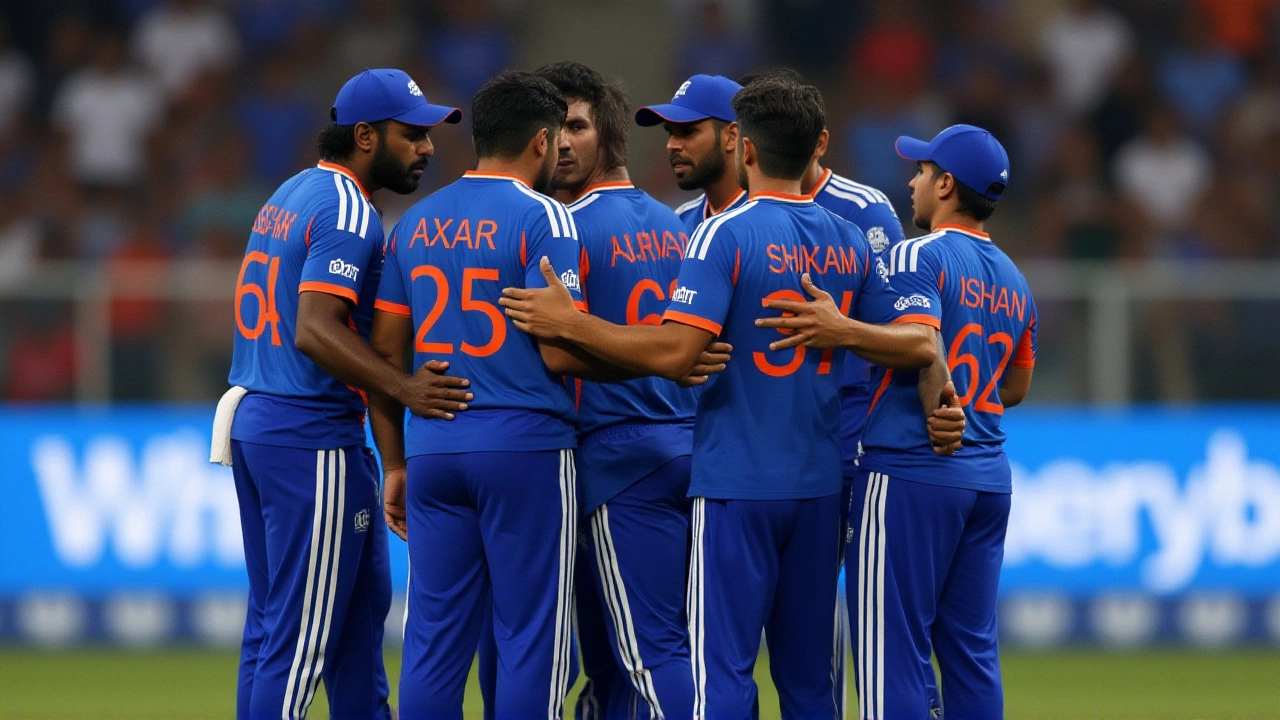
With the dust settled, attention now turns to bilateral series and upcoming ICC events. For players like Farhan and Bumrah, this performance could boost their market value in franchise leagues worldwide. For India, retaining momentum will be key as they prepare for future challenges.
Frequently Asked Questions
Who are the four Indian players in the ICC Best XI?
The four Indian players selected are Sanju Samson (wicketkeeper), Ishan Kishan (opener), Hardik Pandya (all-rounder/captain), and Jasprit Bumrah (fast bowler). Their consistent performances throughout the tournament earned them these prestigious spots.
How much bonus did the Indian team receive?
The BCCI announced a total bonus pool of ₹131 crore ($15.7 million) for the winning team, including players, coaches, support staff, and selectors. This is in addition to the ICC’s prize money of approximately ₹27.48 crore ($3.3 million).
Who was the highest run-scorer in the tournament?
Pakistan’s Sahibzada Farhan was the highest run-scorer, amassing 383 runs in six innings across seven matches at a strike rate of 160.25. He also scored two centuries during the tournament.
Where was the final match played?
The final was played at the Narendra Modi Stadium in Ahmedabad, India. India defeated New Zealand in the match to secure their third T20 World Cup title.
Why were Pakistan’s matches held in Sri Lanka?
Due to longstanding geopolitical tensions between India and Pakistan, all matches involving the Pakistani team were scheduled exclusively in Sri Lanka to ensure smooth logistics and security arrangements.